September 16, 2026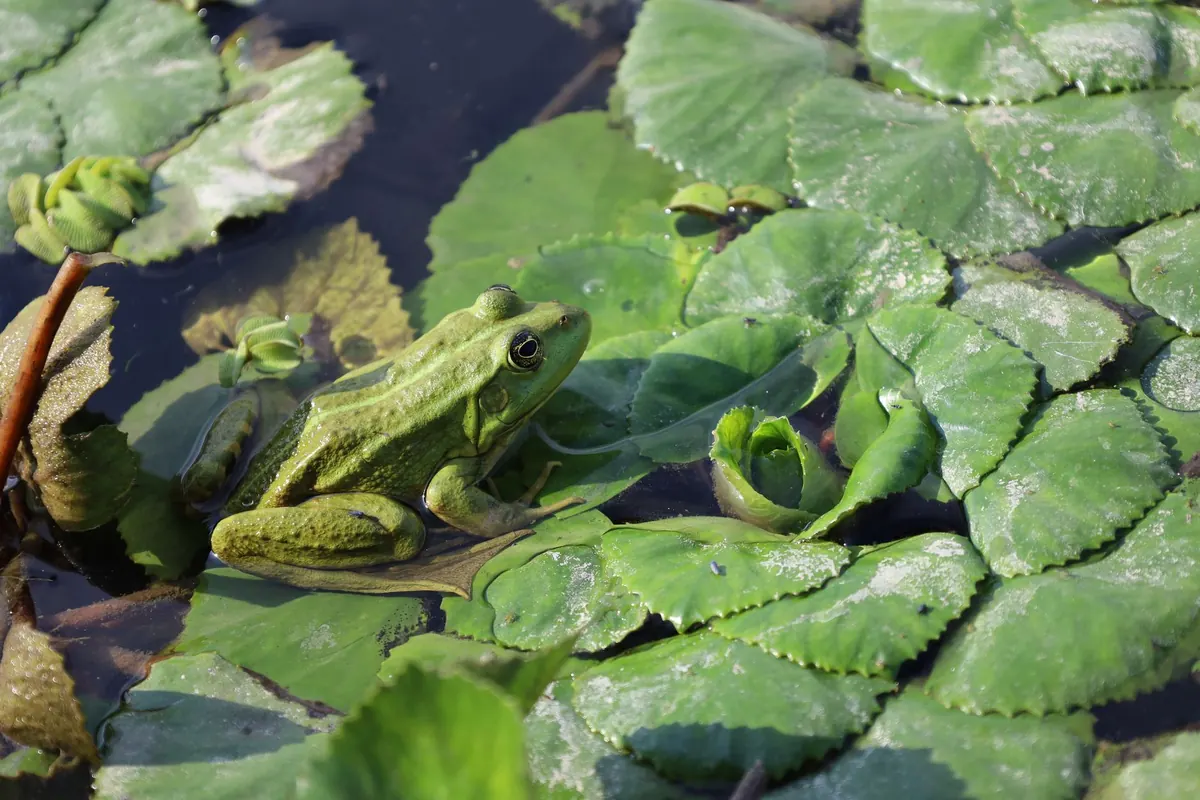
A pond is the single most useful thing you can add to a garden. Not a bird table, not a bug hotel — water. Frogs and newts will find it from neighbouring gardens, dragonflies will patrol it within a season or two, and everything from hedgehogs to hoverflies will use it. A pond roughly two metres across can carry more life than the rest of the garden put together.
And yet plenty of new ponds sit there for years, clear and empty and quietly disappointing. The causes are almost always decided in the first weekend: the wrong spot, sides too steep, no shallow shelf, a handful of goldfish. None of it is expensive to avoid. It just needs a few decisions made before you pick up the spade.
Site it properly, or live with the consequences
Aim for at least half the day in direct sun. Dragonflies and most aquatic insects need warmth, and a pond in deep shade stays cold, green and quiet. A little afternoon shade is no bad thing — it slows the algae — but a pond under a dense canopy is a pond nobody visits.
Two places to avoid. First, under deciduous trees: fallen leaves are fertiliser for algae, and roots will happily work their way into a liner. Second, the lowest corner of the garden, where rainwater runs in carrying soil and whatever the lawn has been fed with.
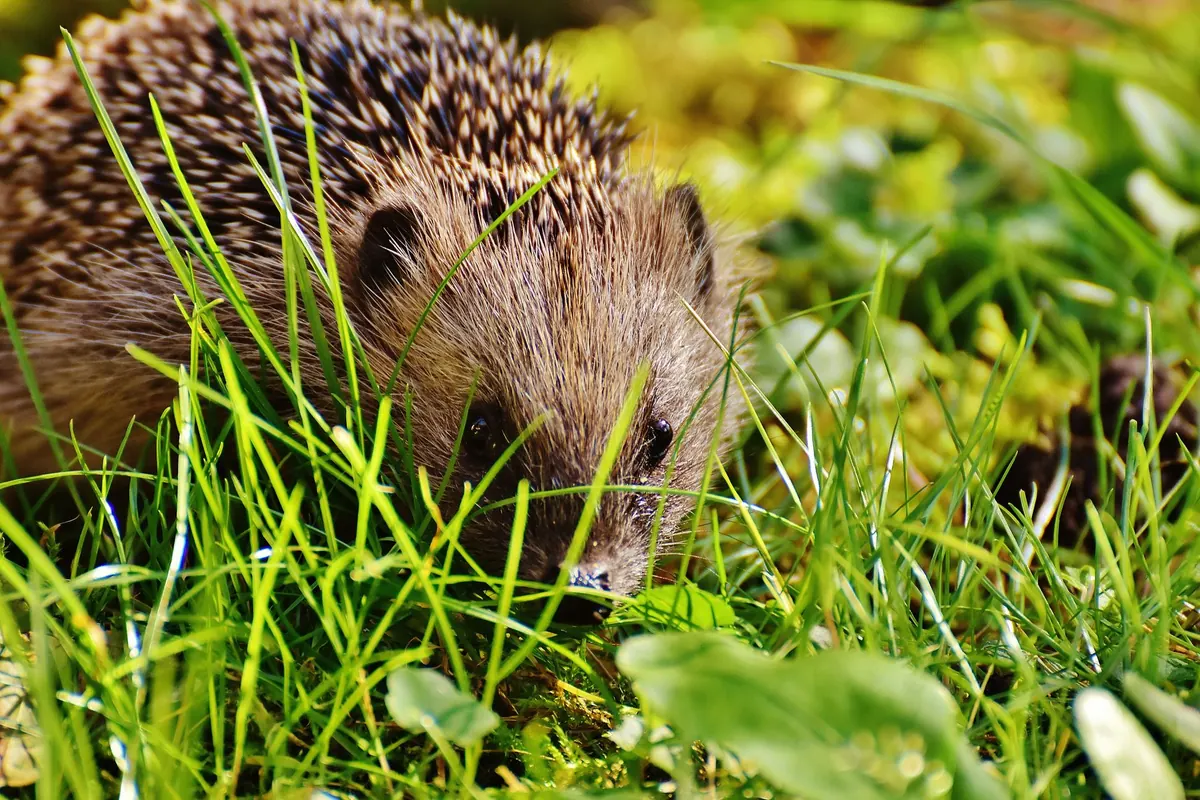
Where you can, sink the pond so the water sits level with the surrounding soil. That way frogs hop in and out without a ladder, and hedgehogs can drink without falling in and drowning. Raised ponds can work beautifully, but they need a planted ramp or a slope of stones in one corner.
Get the profile right: shelves, not bowls
The shape of the outline matters far less than the profile of the sides. A smooth, steep-sided bowl is the classic mistake. What you want is a gentle entry point, some shallow shelves, and a deeper refuge in the middle.
- A shallow beach, 5–10cm deep. Birds bathe here, frogs sit here, and small creatures can crawl out.
- A shelf at 20–30cm. This is where marginal plants go — the reeds, rushes and flowering species that make the pond look like something.
- A second shelf at 40–50cm. Deeper marginals and cover for newts, which like to hide among submerged leaves.
- A central trench of 60–80cm. Not for fish, but for stability. Deeper water stays cooler in summer and doesn't freeze solid in winter, which is where dragonfly larvae and newts see out the cold months.
A small pond can combine the two middle shelves, but keep at least one section at 60cm or more. As for size: almost everyone wishes they had dug bigger. A pond of two square metres will work; four or five is better, and the difference in wildlife is noticeable within a year.
Liner, water and the temptation of fish
Butyl or EPDM rubber, protected by an underlay — old carpet, sand, or purpose-made fleece. Overlap the underlay generously and don't cut the liner to shape until the pond is full, because it stretches as the weight of water settles it. Leave a good 30cm of overhang, then fold it under turf or stones so no rubber is visible.
Fill with rainwater from a water butt if you can. Tap water will do at a pinch, but it arrives with nutrients that give algae a head start. While the pond is filling, run the hose onto a sheet of plastic or an upturned bucket so the jet doesn't scour the soil off your shelves.
If you want frogs, newts and dragonfly larvae, the pond needs to be fish-free. Fish eat tadpoles, newt larvae and almost everything else that moves.
Plant in layers, and plant native
Three zones do the work. Submerged oxygenators such as hornwort and water starwort keep the water clear. Marginals — water mint, marsh marigold, water forget-me-not, lesser spearwort, yellow flag iris — give cover, colour and places for adult dragonflies to perch. And the damp ground around the rim matters as much as the water: rough grass, logs and a few stones give frogs somewhere to spend the ninety per cent of their lives they spend out of water.
Plant into baskets of ordinary garden soil or loam, not multipurpose compost, which leaks nutrients and feeds algae. A layer of hessian over the surface stops the soil floating away. Leave a few tall stems standing through winter, too — dragonfly nymphs climb them to emerge as adults.
Check before you buy. Some pond plants are seriously invasive and should never be introduced: floating pennywort, New Zealand pygmyweed and water fern among them. If a plant is described as "vigorous" or "spreads quickly", take that at face value.
The first-year mistakes that leave ponds lifeless
- Adding frogspawn or pond water from elsewhere. Well meant, but it can carry disease and blanketweed into a clean pond. If there are amphibians nearby, they will arrive on their own — usually faster than you expect.
- Stocking fish. Even small ones will empty a pond of tadpoles.
- Steep, smooth sides. Anything that falls in stays in.
- Panicking at the spring algae. Green soup in April and May is normal. It clears as the plants grow and shade the surface. Never use an algaecide — twirl stringy blanketweed out with a cane instead, and leave it on the edge overnight so anything caught in it can crawl back.
- Cleaning the pond out. Emptying and scrubbing in spring removes the larvae, eggs and insects you were trying to attract.
- Tidying too much. Leave leaves and stems in and around the water over winter. That debris is hibernation habitat.
The first year, realistically
Frogs often turn up within weeks, sometimes before the plants have settled in. Newts take longer, and dragonflies longer still — the larvae spend one or two years underwater before they ever take wing, so a pond in its first summer may only get visitors rather than residents. That is normal.
In autumn, net out fallen leaves before they sink, but don't strip the pond bare. In cold spells, don't smash the ice — the shock travels through the water and harms what's hibernating below. Rest a pan of hot water on the surface and let it melt a hole instead.
Then leave it alone as much as you reasonably can. The most lifeless ponds are usually the most carefully managed ones. A wildlife pond isn't a project you finish; it's a small wet place you agree to stop interfering with, and it will fill itself.
Photo: Andreea Vieru / Pexels