September 28, 2026
A wildlife garden is never finished. That is the pleasure of it, and occasionally the frustration. The bare-root hedge you planted in February is a thicket by August; the pond you dug for frogs turns into a nursery for damselflies. What follows is a working calendar for the year — the planting, cutting, watering and shelter jobs that keep a garden worth visiting. Treat it as a prompt rather than a rulebook. Your soil, aspect and local weather will shift the timing by a fortnight or more, and that is entirely normal.
January and February: hold back
These are the months when the urge to tidy is strongest, and when tidying does the most damage. Seedheads left standing on teasel, sedum and globe thistle feed goldfinches through the lean weeks. Hollow stems hold overwintering ladybirds and small solitary bees. Cut everything down in January and you remove both larder and lodgings.
Wait until late February or early March, then cut back in stages rather than all at once. Stack the cuttings out of the way for a fortnight before composting, so anything sheltering inside can crawl free.
- Top up bird feeders and clean them weekly — crowded feeders spread disease quickly.
- Keep a bird bath ice-free with a gentle pour of warm water, not a kettle of boiling.
- If the pond freezes, rest a pan of hot water on the surface to melt a hole. Never smash the ice; the shock can harm frogs resting below.
- Plant bare-root hedging — hawthorn, blackthorn, hazel, field maple — while the ground is workable and the plants are dormant.
- Order wildflower seed and plan where it will go.
March and April: the soil wakes up
Spring reaches the soil before it reaches the air. Finish cutting back perennials, but leave a few stems standing for the bees that nest in them. Sow hardy annuals such as cornflower, poppy and corn marigold on a patch of bare earth, and give them nothing else — rich soil suits weeds better than wildflowers.
Plant nectar-rich perennials now: foxglove, comfrey, catmint, salvia, marjoram, verbena. Leave the dandelions and daisies in the lawn for a few more weeks; they are the first proper meal for many bees. Put up nest boxes by early March if you have not already, facing between north and east so the box does not bake in afternoon sun.
Start mowing less. Shortening the mower's route by a metre or two around the edges is the single easiest change most gardens can make.
May and June: ponds, aphids and hedgehogs
Ponds come alive now. Add native oxygenators such as hornwort and water starwort, and keep one shallow, gently sloping edge where birds can bathe and hedgehogs can drink. Rinse and refill bird baths daily; a shallow dish with a few pebbles gives bees somewhere safe to land.
Leave aphids on roses, nasturtiums and fruit trees. Blue tits, ladybirds and hoverfly larvae will find them, and a colony of aphids in June usually means a healthy garden rather than a failing one. If a plant is genuinely suffering, a strong jet of water is often enough.
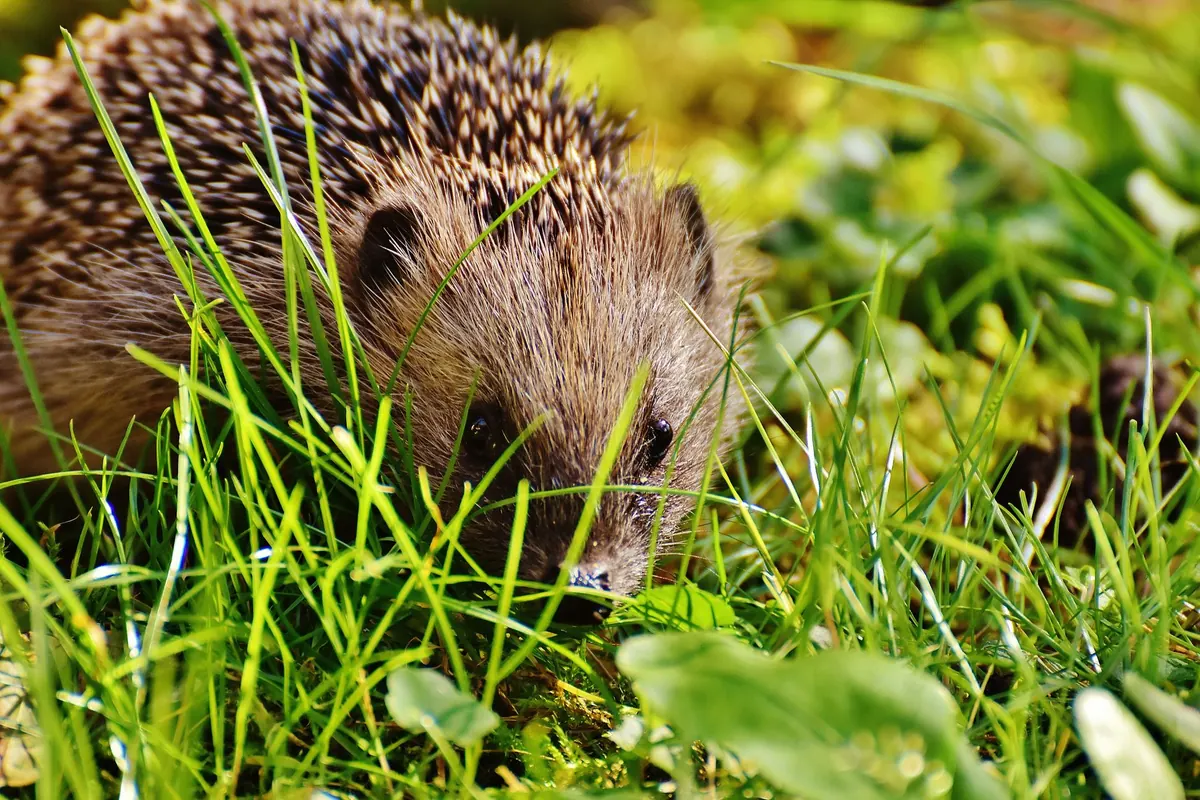
Check long grass before strimming or mowing — hedgehogs rest in it by day. A 13cm gap at the bottom of a fence, or a small tunnel beneath a gate, lets them move between gardens and widens their territory considerably.
July and August: water is the priority
By midsummer, water matters more than any planting. A few habits carry the garden through the hottest weeks.
- Water in the evening or early morning, and water deeply rather than little and often.
- Keep bird baths, bee dishes and ponds topped up. A pond that dries out in August can lose a year's worth of tadpoles and larvae.
- Leave the mower in the shed during dry spells. Long grass holds moisture and shade at ground level.
- Collect seed from foxglove, knapweed and field scabious once the heads are dry, and store it in paper envelopes.
- Avoid cutting hedges while birds may still be nesting; leave the job until autumn or winter.
If you want late colour for butterflies, hemp agrimony and buddleia earn their space now.
September and October: plant while the soil is warm
Autumn is the best planting window of the year. The ground is still warm, rain does the watering, and roots settle before the cold. Plant trees, shrubs, hedging and spring bulbs now, and sow yellow rattle into short grass — it needs a cold spell to germinate and will thin out vigorous grasses so wildflowers can come through.
Rake leaves off paths and away from the pond, but leave a layer among the borders. Beetles, moths and hedgehogs use it. Ivy flowering in late September and October is one of the richest nectar sources of the year, so resist cutting it back until spring. Clean out nest boxes once you are sure the last brood has gone.
November and December: build, mulch, feed
Now the garden can mostly be left alone. Build a log pile in a shady corner, using logs of different sizes with the bark left on, and leave a patch of bare earth or a few flat stones where ground-nesting bees can burrow. Turn the compost heap with care — if hedgehogs visit your garden, check the heap before you dig into it.
Feed birds consistently through the cold months, with a mix that suits different species: seed for finches, suet for tits and woodpeckers, nyjer for goldfinches. Keep water available even in hard frost. Mulch bare soil with leaf mould or garden compost, keeping it clear of stems and tree trunks so nothing rots at the base.
Making the year work for your garden
Aim for layers rather than a single feature: some canopy, some shrubs, a patch of long grass, a small pond, dead wood, bare earth. Aim for flowers from February to November, because early willow and late ivy matter as much as midsummer lavender. The best wildlife gardens look slightly untidy, and that untidiness is the habitat.
Keep a notebook. What flowered, what appeared, what the weather did — a record of your own patch will always beat a general calendar, including this one. If you have small children, fence or cover any pond, and take care with whatever you apply to the garden, reading the label rather than trusting the packaging.
Photo: pics_kartub / Pixabay