October 02, 2026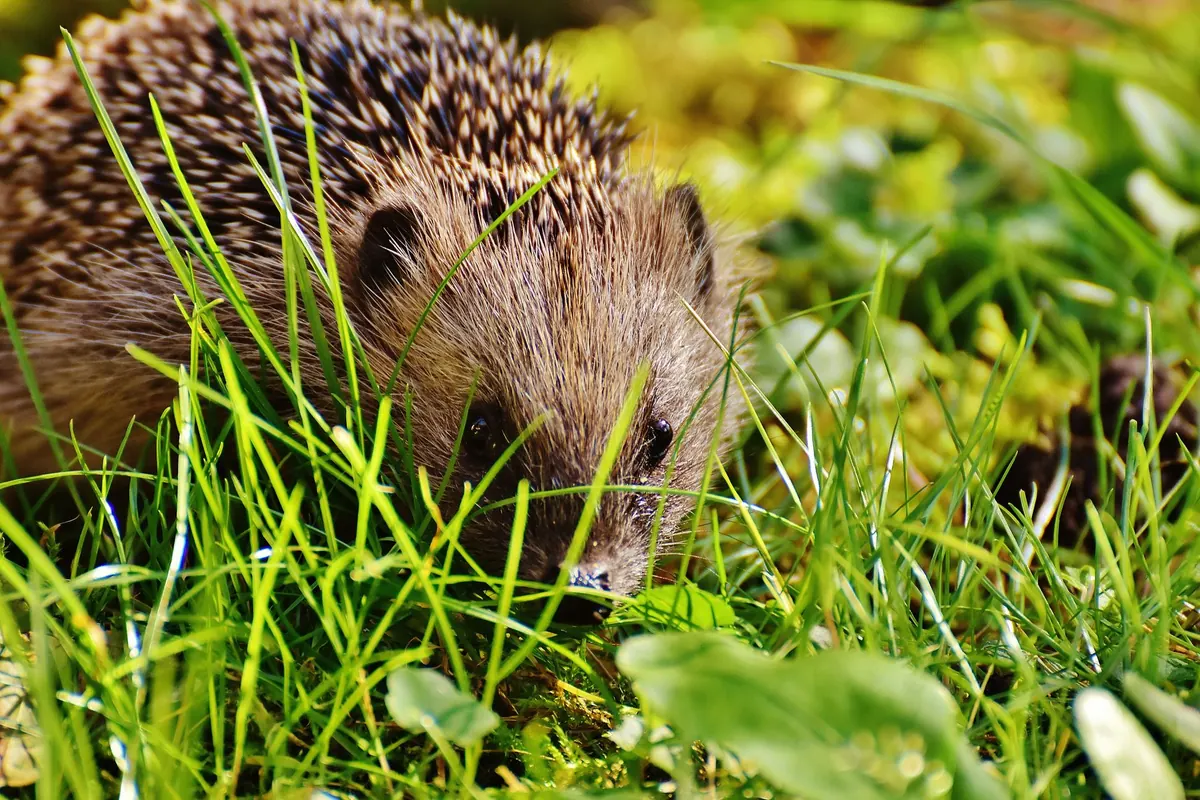
A hedgehog turning up in your garden is a small piece of good luck. It means you have cover, insects and somewhere to hide, and it means the animal has found a route through what is often a hostile landscape of fences, roads and neatly trimmed lawns. The trouble is that gardens are getting harder to move between, and hedgehogs are getting rarer. The good news: most of what helps them is cheap, quick and slightly untidy.
Here is what actually makes a difference.
Cut a hedgehog highway in your fence
Hedgehogs roam a long way in a night and they cannot climb. A solid fence or wall turns a garden into a trap. The fix is a gap roughly 13 centimetres square — about the size of a CD case — at ground level, either cut into the bottom of a panel or created by stacking a couple of bricks under a gate.
One gap helps. A row of them transforms a street. Talk to the neighbours on both sides and see who will do the same. If you rent, or share a boundary with a council-owned strip, ask before cutting: a removable brick or a small tunnel under a gate usually needs no permission at all.
Where to put the gap
- Along a boundary hedge or shrub line, where hedgehogs already feel safe moving.
- Away from a busy road — never create a route that funnels them straight onto tarmac.
- Under a gate or a low section, so you are not weakening a panel that catches the wind.
- Somewhere you will remember, so you do not strim over it in June.
Feeding: helpful, but easy to get wrong
Supplementary food helps most in autumn, when hedgehogs need to put on weight before hibernation, and in spring, when they emerge thin. It is no substitute for a garden full of insects, but it does get them through lean weeks.
What is safe: meat-based cat or dog food in pâté form rather than chunks in gravy, or a purpose-made hedgehog food. Put it in a shallow dish rather than straight on the ground, and clear away anything left over in the morning so you do not attract rats.
What is not safe:
- Milk and bread. Hedgehogs cannot digest lactose; milk gives them diarrhoea, which can be fatal in a small animal. Fresh water is what they need.
- Mealworms as a staple. Fine as an occasional treat, but a mealworm-heavy diet can cause serious bone problems in hedgehogs. Think crisps, not dinner.
- Fish-based or gravy-covered food, which is too salty and rich.
- Slug pellets. If it kills slugs, it can kill the hedgehog that eats them. Try beer traps or hand-picking after rain, and accept a few holes in the hostas.
Always leave a shallow bowl of water at ground level. A bird bath is useless to a hedgehog, and deep containers are a drowning risk.
Build a hibernation shelter they will actually use
Hedgehogs hibernate roughly from November to March, though mild winters mean some wake and wander. They need somewhere dry, dark and undisturbed, with insulation packed around them.
A simple log pile in a quiet corner does the job. So does a heap of leaves left under a shrub. If you would rather buy or build a hedgehog house, place it against a wall or fence, facing away from the prevailing wind and rain, then cover it with dry leaves and a few lengths of dead branch so it looks like part of the garden. Then leave it alone. Lifting the roof in January to check on a sleeping hedgehog can wake it at the worst possible moment.
Two things to avoid: do not tidy the leaf pile in autumn, and never build a bonfire on a heap you have left standing. Move any bonfire to a fresh spot before lighting, and check it again on the day.
The hazards that cause most garden casualties
Most hedgehog injuries in gardens come from a handful of ordinary objects and habits.
- Strimmers and mowers. Long grass is prime hedgehog cover. Walk the area and look before you cut, and work from the middle outwards.
- Netting. Fruit netting, pea netting and football nets all catch spines and legs. Keep netting at least 30 cm off the ground, or peg it up out of reach.
- Ponds and drains. Steep-sided ponds trap them. Add a gently sloping ramp, a stone ledge or a piece of half-submerged wood at the edge, and cover open drains with a grille.
- Dogs. Even a curious dog can do real damage. If you know hedgehogs visit, check the garden before letting a dog out at dusk.
- Chemicals. Slug pellets, weedkillers and some lawn treatments reduce the insects hedgehogs live on, and some are directly toxic.
One more warning sign: a hedgehog out in daylight, especially in winter, is usually in trouble. It may be starving, injured or ill. Do not simply feed it and hope. If you need to move it, wear gloves, place it in a high-sided box with a towel and a hot water bottle wrapped in cloth beside it, and ring a local wildlife rescue for advice.
Start small tonight
You do not need to rewild the whole garden. Cut one gap. Put down a bowl of water. Leave the leaves where they fall. Those three things take ten minutes and already make your patch part of a route rather than a dead end.
Add one more thing each month: a log pile, a ramp in the pond, a hedgehog house tucked behind the shed. Within a year you will have a garden that is genuinely better for wildlife, and a fair chance of hearing a snuffle in the border after dark.
Photo: Pixabay / Pexels