October 01, 2026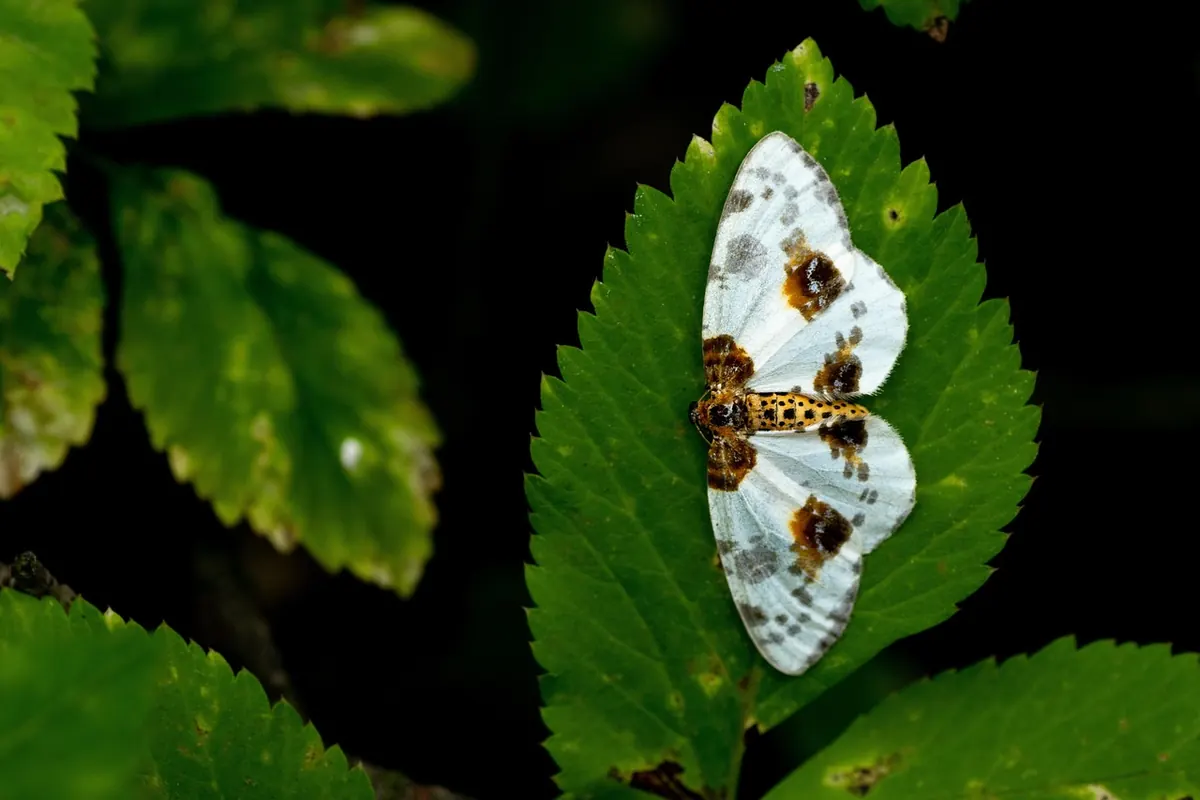
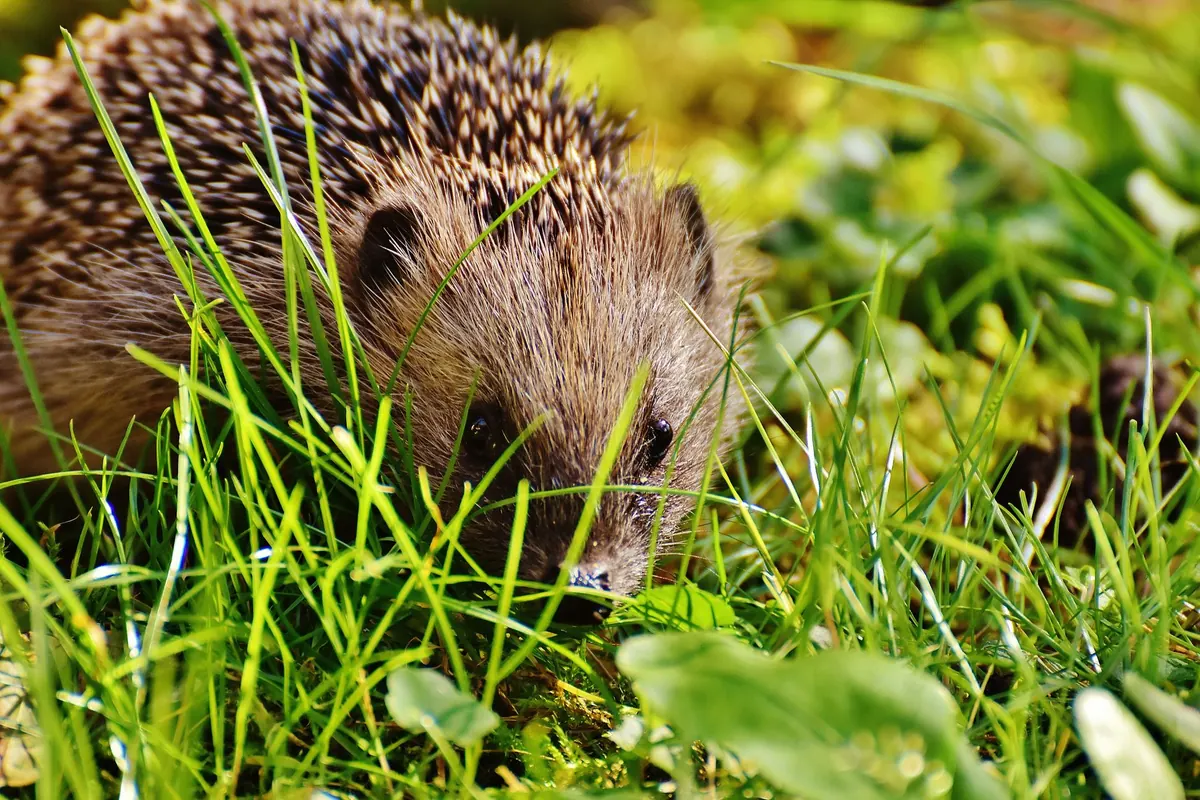
The first record most of us make is an accident. A moth on the kitchen window, a hedgehog crossing the patio at dusk, a bird on the feeder that is definitely not a sparrow. Most of those sightings evaporate by the following morning. With a few minutes' effort they could instead become part of a dataset that outlives the person who made it.
Wildlife recording in Britain is mostly done by volunteers, and has been for well over a century. You do not need qualifications, a licence or expensive kit to join in. You need to be willing to write down what you saw, where and when, and to do it often enough to be useful. Here is how the schemes work, what makes a record trustworthy, and how the path from garden moth count to county recorder actually runs.
What happens to a record after you send it
Records are gathered by county recorders and national schemes, checked by someone who knows the group, then passed to a local environmental records centre. From there they feed into distribution atlases, site inventories, planning consultations, research and conservation decisions.
That chain matters. A council consulting on a housing allocation, a wildlife trust deciding where to graze, a researcher modelling changing ranges — all of them work from volunteer records. A single garden moth list looks trivial. Ten thousand of them, from the same squares, over twenty years, is evidence.
Choose a scheme that matches your patience
The options run from a single hour a year to a weekly commitment. Some names worth knowing:
- Big Garden Birdwatch (RSPB) — one hour in January, counting birds in your garden or local green space.
- Garden BirdWatch (BTO) — weekly garden counts submitted online. Same patch, same week, year after year.
- Big Butterfly Count (Butterfly Conservation) — fifteen sunny minutes in mid-summer, counting butterflies and day-flying moths.
- Garden Moth Scheme — a standard moth trap run on a set night each week, with counts submitted in a consistent format.
- National Moth Recording Scheme — anything with wings and scales, any time of year, sent to your county moth recorder or through iRecord.
- BirdTrack (BTO) — casual bird lists from walks, with location and effort recorded.
- iRecord — a general route for any group: plants, beetles, hoverflies, fungi. Records are routed to county verifiers.
- UK Butterfly Monitoring Scheme — weekly transect walks along a fixed route. More commitment, so talk to the scheme first.
There are also county recording groups, botanical societies, fungi and mammal groups, and most welcome beginners. Your local wildlife trust or natural history society is usually the quickest way to find out who is recording what nearby.
What a useful record contains
Every scheme formats its data differently, but the same handful of details does the heavy lifting.
- What — a species name, ideally with the scientific name or a photograph if there is any chance of confusion. "Small brown moth" is not a record.
- Where — a grid reference, a site name, or both. A postcode alone is poor; a grid reference is precise.
- When — the date of the observation, not the date you got round to submitting it.
- How many — a number, or a clear estimate. Three, not "a few".
- Who — your name as recorder, so the record can be credited and queried.
Grid references without the headache
A grid reference is two letters and a string of digits, and you do not have to work it out on paper. The Ordnance Survey app, free grid reference tools and conversion from what3words will all do it for you. Six figures — say SU 123 456 — gets you within 100 metres, which is plenty for most wildlife records. Four figures gives a one-kilometre square. If you genuinely cannot manage it, give the site name, the nearest town and a sentence about where on the site you were, and say plainly that the location is approximate.
Small things that trip people up
Dates written the American way cause endless confusion; spell the month out if the form allows. Submitting the same sighting to three different schemes creates work rather than value, so pick one route. Recording something heard only, or as a caterpillar, leaf mine or egg, is fine and often important — but say which, because verification standards differ. And do not overlook the common things. The species recorded least are usually the ones everyone assumes someone else has noted.
Verification is not a judgement on you
Records are checked for plausibility: is the species known from that area, is the date sensible, is the habitat right? A query usually means the verifier wants a photo or a second opinion, not that they doubt your honesty. Reply, send the image if you have one, and move on. Some groups need specimens or detailed photographs to confirm difficult species; never take anything from a protected site or private land without permission, and check current guidance before collecting.
Locations of sensitive species — certain raptors, bats, rare plants and invertebrates — are normally withheld from public display by the schemes themselves. Do not post precise coordinates for those on open forums or social media.
The route to county recorder
County recorders are volunteers who take responsibility for a group across a defined area, often a vice-county. Almost all of them started as casual recorders who kept at it. The path tends to look like this: pick one group you enjoy, record it regularly for a few seasons, get your records verified, learn the difficult species slowly, and join field meetings where other people are looking at the same things. Identification courses and workshops help enormously, and most recording groups are short of people willing to learn beetles, micro-moths, lichens or hoverflies.
Nobody hands over a county dataset to a newcomer, and they should not. Reputation is built from years of accurate, tidy, honest records — including the ones you get wrong and later correct.
Your first four weeks
Keep it small and consistent. Choose one scheme that suits the time you actually have, read its instructions once, and do one session. Write the record up the same day, while the details are fresh. Keep a simple log — a notebook, a spreadsheet or the scheme's own app — and file your photographs somewhere you can find them again. Submit what you
Photo: snibl111 / Pixabay