September 19, 2026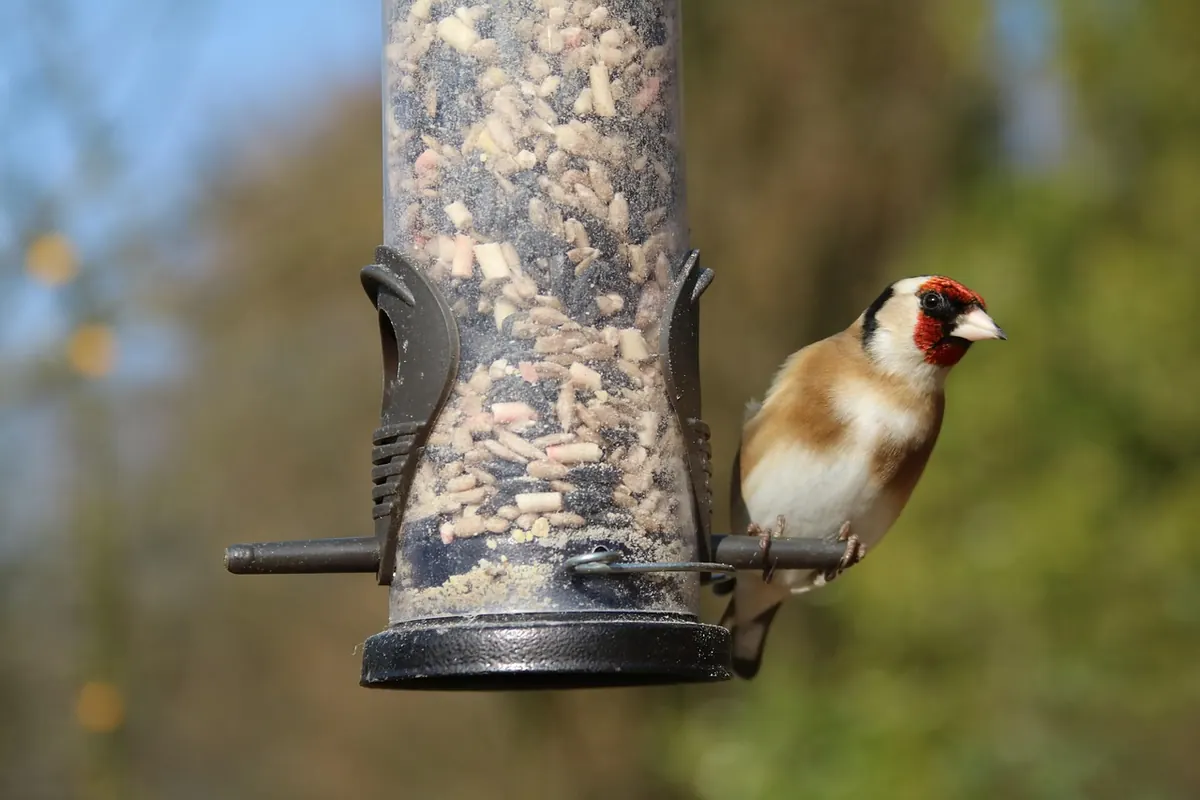
A feeder by the kitchen window looks like a straightforward kindness. Most of the time it is. But a scruffy feeder stuffed with the wrong food in the wrong spot can spread disease, draw in rats, or quietly turn your garden into an easy hunting ground for the local cat.
The encouraging part is that the mistakes below are simple ones, made by nearly everyone at some point. None of them needs expensive kit or expert knowledge. They mostly come down to a bit of routine, a willingness to move things about, and knowing what to put in the feeder.
1. Leaving feeders to fester
Seed feeders are small, damp, enclosed spaces, which is exactly what mould and bacteria like. The warning signs are easy to miss if you only glance at the feeder from indoors: clumped or damp seed, a black crust around the base of a tube feeder, droppings on the perches, or a slick film on the ports.
Given mild, wet weather, a feeder can turn unpleasant within a fortnight. This matters beyond tidiness. Diseases such as trichomonosis, which hit greenfinches hard, are spread when birds crowd together at dirty feeders and water baths.
A workable cleaning routine looks like this:
- Wash tube and seed feeders in hot soapy water roughly every two weeks, and more often in warm, damp spells or when the garden is busy.
- Use a bottle brush to reach the corners, where seed dust gathers and mould takes hold.
- Rinse thoroughly until the water runs clear, then let everything dry completely before refilling.
- Refresh drinking water daily and scrub bird baths weekly.
- Clean feeders in a bucket or utility sink outside, not in the kitchen sink where you prepare food, and wash your hands afterwards.
Replace cracked, rusted or wooden feeders that cannot be scrubbed properly. If you spot finches looking fluffed up, sluggish, or struggling to swallow, take the feeders down for a fortnight, clean everything thoroughly, and stop putting out standing water for a while. Reporting unusual bird deaths to a garden wildlife health scheme is worthwhile, but the first step is always the same: take the feeders down.
2. Putting out the wrong food
Bread is the classic offender. It fills a bird up while offering very little, goes mouldy quickly in wet weather, and attracts rats, gulls and pigeons in numbers. Mouldy bread is worse still. Salted snacks, salted peanuts and salty bacon rind are also best avoided; birds need fresh water, not salt.
Whole peanuts deserve a mention too. They are excellent food for much of the year, but in spring and early summer they can be a choking risk for nestlings, so switch to peanut granules, sunflower hearts or suet pellets until the breeding season is over.
Two more traps to avoid:
- Fat balls sold in plastic netting. Take the net off before the balls go out; birds can catch their legs and tongues in it.
- Milk. Birds cannot digest it properly, so keep it for the cat and put out plain water instead.
What works well? Sunflower hearts suit almost everything and leave no mess. Nyjer seed brings in goldfinches. Mealworms and suet pellets are brilliant in cold snaps and during the moult. Blackbirds and thrushes enjoy apple, pear and soaked raisins, while a little mild grated cheese is a useful treat in winter. Buy from a supplier you trust, and throw away anything that smells musty or looks dull and dusty.
3. Hanging feeders in the wrong place
Position does more for your birds than any premium seed mix. A feeder stranded in the middle of a lawn leaves small birds exposed, while one pressed against a window leads to collisions. As a rough guide, keep feeders either within about a metre of the glass, where birds cannot build up speed, or well over three metres away. Window stickers help, but only if they are dense enough to break up the reflection.
Shelter matters as well. Feeders swinging in the prevailing wind and rain soak their contents, and wet food spoils fast. Try to hang them where they get some protection, and give birds a shrub or tree within a couple of metres so they can dash for cover.
Finally, spread things out. Three feeders crammed onto one pole create a crowd, and crowds spread disease. A couple of stations at different ends of the garden also reduce squabbling between the tits, finches and sparrows.
4. Creating a cat ambush point
Cats are the most significant predator in most gardens, and a badly placed feeder does half their work for them. The worst positions are low-hanging feeders beside a fence, wall, bin store or dense low shrub, where a cat can crouch out of sight and pounce in a single movement.
Move feeders onto a smooth metal pole with a baffle, raise them higher where you can, and keep the ground beneath open so birds can see what is coming. Ground feeders should sit on a clear lawn rather than tucked under bushes. If you own a cat, a collar with a bell helps a little, and keeping it indoors at dawn and dusk makes the biggest difference, as those are the hours when garden birds feed hardest.
If a sparrowhawk starts hunting your feeders, take them down for a few days and hang them somewhere new. The hawk will move on.
5. Feeding exactly the same way all year
Birds' needs shift with the seasons, and so should your feeding.
Spring and summer
Nestlings need soft, protein-rich food, so offer sunflower hearts, mealworms and suet pellets. Skip whole peanuts and loose fat, which softens and turns rancid in the heat and can coat feathers. Warm weather also means cleaning more often and keeping water topped up.
Autumn
Natural food is plentiful, but keep feeding anyway. Birds are caching and moulting, and a sudden cold snap can empty a garden of natural supplies within days.
Winter
Go for high-energy foods: suet, sunflower hearts, peanuts in a mesh feeder. Food is most valuable first thing in the morning and again in the late afternoon. Thaw frozen water and put out a shallow dish each day, because birds need to drink and bathe even when it is below freezing.
A routine that keeps you out of trouble
None of this takes long. Spend ten minutes a week checking food for damp and refilling water. Give the feeders a proper clean every fortnight, and sweep up spills beneath them so you are not feeding rats as well as birds. Once a month, look over your feeders for cracks, rust and frayed hangers, and replace anything past its best. Twice a year, step back and rethink position: is there cover close by, a clear approach from above, and enough distance from glass and from the neighbour's cat route?
Keep a small cleaning kit together — bucket, bottle brush, gloves and a feeder-safe disinfectant — so the job never needs planning. And if you are ever unsure whether food is still fit to put out, bin it. A fresh bag of seed costs far less than an outbreak among the birds you were trying to help.
Photo: jLasWilson / Pixabay